

Telehealth Patient Behavior in Florida: What Physicians Are Seeing Post-Pandemic

The rapid expansion of telehealth during the COVID-19 public health emergency fundamentally altered care delivery across Florida. What began as a necessity has evolved into a durable component of outpatient medicine. Now, several years into the post-pandemic landscape, physicians across primary care, behavioral health, cardiology, endocrinology, and other specialties are reporting consistent patterns in patient behavior that are shaping clinical workflows and practice strategy.
Below is a synthesis of what many Florida physicians are observing in 2025.
Telehealth Has Stabilized, Not Disappeared
Utilization has declined from its pandemic peak but remains significantly above pre-2020 levels. In many Florida practices, telehealth accounts for 10–25 percent of outpatient visits, with higher penetration in behavioral health, endocrinology, and follow-up-heavy subspecialties.
Importantly, telehealth is no longer perceived as an emergency substitute. Patients now view it as one modality among several. The shift from novelty to normalization is evident in how patients schedule visits: many actively request telehealth for specific visit types while reserving in-person appointments for diagnostic uncertainty or procedural needs.

Increased Patient Selectivity
Florida physicians report that patients are increasingly discerning about which concerns they believe are appropriate for virtual care. Common telehealth requests include:
Medication refills and chronic disease follow-up
Lab review and imaging discussion
Mild acute complaints with low perceived complexity
Behavioral health visits
Dermatologic visual assessments
Patients are less likely to request telehealth for undifferentiated symptoms or conditions requiring hands-on examination. This reflects a maturation of patient understanding regarding telehealth’s scope and limitations.
However, there is variability across demographics. Younger, working-age adults are more likely to default to telehealth for convenience, whereas older patients may prefer in-person visits unless mobility or transportation barriers exist.

Higher Expectations for Convenience
Convenience has become the dominant driver of telehealth demand in Florida. Patients cite reduced travel time, avoidance of traffic in densely populated regions, and flexibility during work hours as primary motivators.
Physicians report that patients now expect:
Minimal wait times for virtual appointments
Seamless technology with limited troubleshooting
Rapid documentation turnaround
Same-day or next-day scheduling for minor issues
In urban and suburban areas such as Miami-Dade, Tampa Bay, and Orlando, traffic congestion and parking constraints continue to reinforce telehealth’s appeal. In rural areas, telehealth remains a critical access point, particularly for specialty care.

Variable Engagement During Virtual Visits
One behavioral shift that physicians frequently note is inconsistency in patient engagement during telehealth encounters. While many patients are attentive and prepared, others may join visits from workplaces, vehicles, or public spaces.
Common challenges include:
Distracted multitasking
Limited privacy during sensitive discussions
Inadequate lighting or camera positioning for visual exams
Poor audio quality
Physicians are increasingly setting expectations at the start of visits, including requesting a private environment and stable connection. Some practices have implemented pre-visit checklists to optimize encounter quality.
Reduced No-Show Rates With Caveats
Many Florida practices initially saw a decrease in no-show rates when telehealth was widely adopted. For certain populations, especially those with transportation or childcare barriers, virtual visits improved attendance.
However, over time, some practices report a reemergence of same-day cancellations or last-minute rescheduling. The perceived ease of virtual appointments may contribute to reduced psychological commitment compared to in-person visits.
Practices that have maintained clear cancellation policies and reminder systems tend to report more stable attendance metrics.

Chronic Disease Management Trends
In primary care and internal medicine, telehealth has become integrated into longitudinal chronic disease management. Hypertension, diabetes, hyperlipidemia, and thyroid disease are commonly managed through hybrid care models.
Physicians note that:
Patients are more likely to complete lab work if virtual follow-up is readily available.
Home monitoring devices, including blood pressure cuffs and glucose monitors, are more frequently used and discussed during telehealth visits.
Data-sharing remains inconsistent, particularly among older patients or those with limited digital literacy.
Some physicians report that telehealth works best when paired with structured remote monitoring protocols rather than relying solely on patient-reported values.
Behavioral Health Utilization Remains High
Behavioral health remains one of the strongest telehealth domains. Florida psychiatrists, psychologists, and primary care physicians managing depression and anxiety consistently report high patient preference for virtual visits.
Patients cite comfort, privacy, and reduced stigma as reasons for choosing telehealth. Engagement rates in behavioral health often surpass those of other specialties, and dropout rates appear lower when telehealth options are available.
This sustained demand suggests telehealth has permanently reshaped mental health delivery in the state.

Digital Literacy Gaps Persist
While adoption is widespread, digital disparities remain. Older adults, lower-income populations, and patients in rural areas may face:
Limited broadband access
Difficulty navigating patient portals
Challenges with video platforms
In some Florida regions, practices have adapted by offering audio-only visits when appropriate and compliant with payer policy. However, reimbursement variability continues to influence modality choices.
Regulatory and Reimbursement Sensitivity
Physicians remain attentive to changes in Florida state policy and federal reimbursement rules. Telehealth utilization is highly sensitive to coverage parity, cross-state licensure flexibility, and documentation requirements.
Many practices have optimized telehealth workflows to maintain compliance, including standardized consent documentation and clear coding protocols. Physicians are increasingly aware that sustainable telehealth integration depends as much on regulatory clarity as on patient demand.
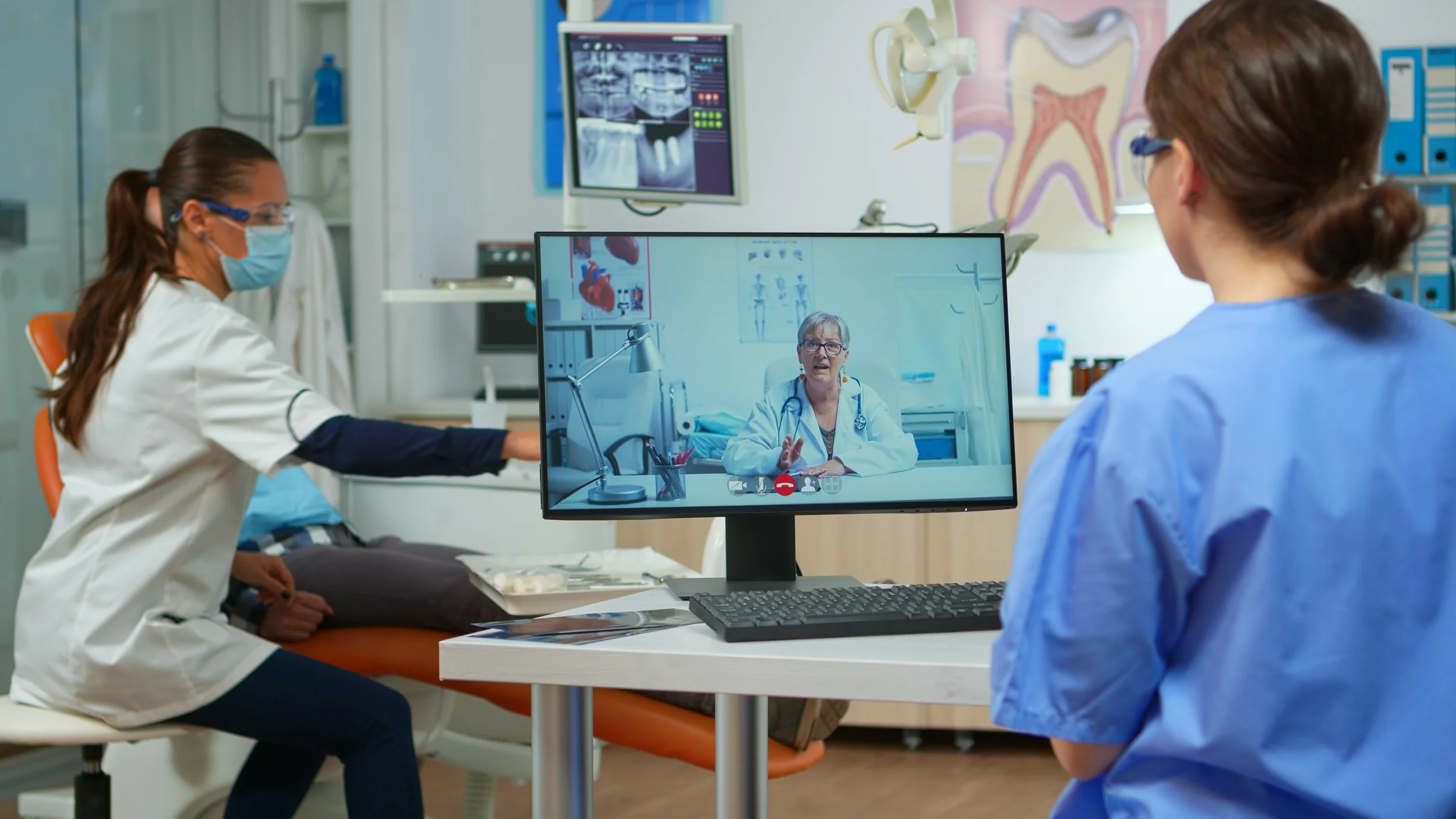
Hybrid Care as the Emerging Standard
Perhaps the most consistent observation across Florida practices is that hybrid care has become the dominant model. Rather than replacing in-person care, telehealth complements it.
Physicians are stratifying visit types:
Initial evaluations and complex diagnostics are often in-person.
Follow-ups and stable chronic disease visits are frequently virtual.
Acute triage may begin virtually and convert to in-person when needed.
This flexible approach appears to optimize both patient satisfaction and clinical efficiency.
Clinical Implications for Florida Physicians
Several operational themes are emerging:
Clear visit-type criteria improve telehealth effectiveness.
Proactive patient education enhances encounter quality.
Structured remote monitoring increases clinical reliability.
Defined cancellation policies mitigate virtual attrition.
Workflow integration reduces administrative burden.
Physicians who view telehealth as a strategic tool rather than an accommodation tend to report stronger outcomes in both patient satisfaction and practice performance.

Looking Ahead
Telehealth in Florida has transitioned from crisis response to embedded care modality. Patient behavior reflects normalization, selective utilization, and high expectations for convenience.
For physicians, the opportunity lies in refining telehealth’s role within evidence-based, patient-centered care. As regulatory frameworks stabilize and digital literacy improves, telehealth will likely continue as a core component of outpatient practice in Florida.
The post-pandemic phase is no longer about adoption. It is about optimization.
