

The Future of the Waterfront: How St. Pete’s Tropicana Field Redevelopment Affects Local Health
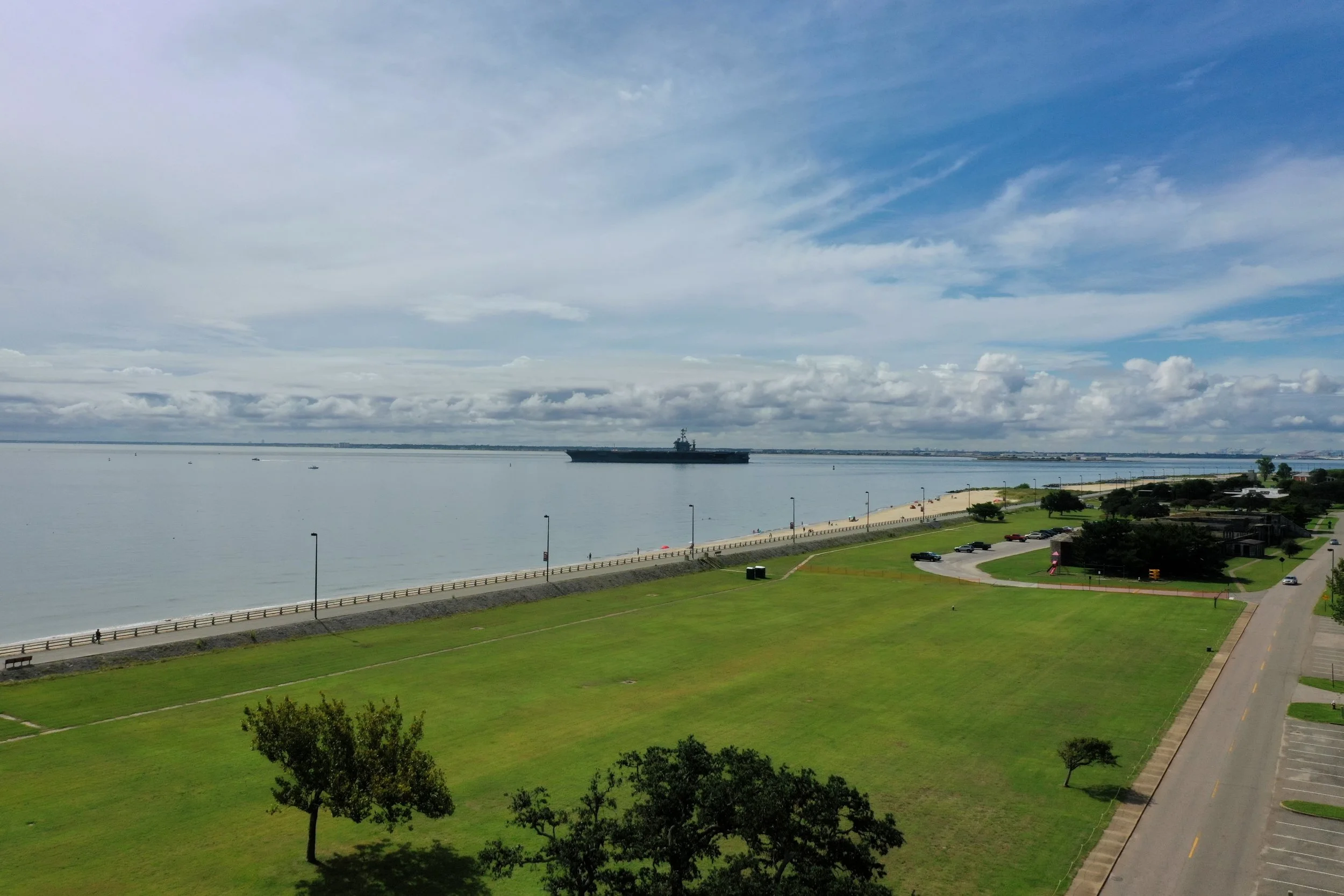
Urban redevelopment is often framed in terms of economic growth, infrastructure modernization, and cultural revitalization. However, for physicians and public health professionals, such projects also present a critical opportunity to evaluate downstream effects on community health. The ongoing redevelopment of Tropicana Field in St. Petersburg, Florida—part of a broader waterfront transformation—offers a compelling case study in how urban planning intersects with population health outcomes.
This article explores the health implications of the Tropicana Field redevelopment, with a focus on environmental exposure, access to care, physical activity, mental health, and health equity—key domains that directly affect clinical practice and long-term patient outcomes.
Tropicana Field Redevelopment: A Brief Overview
The Tropicana Field redevelopment project aims to transform the existing stadium site into a mixed-use district featuring residential units, green spaces, commercial establishments, and healthcare-adjacent facilities. Positioned near St. Petersburg’s waterfront, the initiative aligns with broader urban trends emphasizing walkability, sustainability, and community-centered design.
From a healthcare perspective, such transformations are not merely aesthetic—they are structural determinants of health.
1. Environmental Health and Air Quality
One of the most immediate concerns in large-scale redevelopment is environmental exposure. Construction activity can temporarily elevate particulate matter (PM2.5 and PM10), potentially exacerbating respiratory conditions such as asthma and COPD.
However, long-term projections suggest improvement:
Increased green spaces may reduce urban heat island effects
Enhanced tree canopy coverage can improve air filtration
Sustainable building practices may lower emissions
For physicians, this underscores the importance of monitoring vulnerable populations during transitional phases while anticipating long-term respiratory health benefits.
2. Built Environment and Physical Activity
The redesign of urban spaces significantly influences physical activity patterns. Walkable neighborhoods, bike lanes, and accessible recreational areas are associated with reduced incidence of:
Cardiovascular disease
Type 2 diabetes
Obesity
The Tropicana Field redevelopment prioritizes pedestrian-friendly infrastructure and waterfront accessibility, potentially encouraging active lifestyles among residents.
Clinically, this may translate to:
Improved patient adherence to exercise recommendations
Reduced reliance on pharmacologic interventions for lifestyle-related diseases
3. Mental Health and Social Cohesion
Access to open, aesthetically pleasing environments has been consistently linked to improved mental health outcomes. Waterfront developments, in particular, offer unique therapeutic benefits:
Reduced stress and cortisol levels
Enhanced mood and cognitive function
Increased opportunities for social interaction
For physicians managing anxiety, depression, and burnout—both in patients and within the profession itself—these environmental factors are increasingly relevant adjuncts to care.
4. Access to Healthcare Services
Mixed-use developments often include healthcare facilities such as urgent care centers, outpatient clinics, and wellness hubs. If integrated effectively, the Tropicana redevelopment could:
Improve geographic access to care
Reduce emergency department overutilization
Facilitate preventive services and early intervention
This aligns with value-based care models that emphasize accessibility and continuity.
5. Health Equity and Displacement Risks
While redevelopment can yield health benefits, it also raises concerns about gentrification and displacement—factors that can negatively impact health outcomes, particularly among low-income populations.
Potential risks include:
Loss of affordable housing
Disruption of established care networks
Increased socioeconomic stress
Physicians should be aware of these dynamics, as displaced patients may experience interruptions in care, medication non-adherence, and worsening chronic conditions.
Advocacy for inclusive planning and equitable resource distribution is essential to mitigate these risks.
6. Climate Resilience and Public Health Preparedness
Waterfront developments must also address climate-related risks, including sea-level rise and extreme weather events. The integration of resilient infrastructure—such as flood mitigation systems and sustainable drainage—can protect both physical assets and population health.
From a clinical standpoint, preparedness reduces:
Injury and morbidity during disasters
Strain on healthcare systems
Long-term displacement-related health issues
Conclusion
The redevelopment of Tropicana Field represents more than an urban facelift—it is a multifaceted intervention with significant implications for public health. For physicians, understanding these impacts is crucial in anticipating shifts in disease patterns, patient behaviors, and healthcare access.
As healthcare continues to evolve toward a more holistic, preventive model, collaboration between medical professionals, urban planners, and policymakers will be essential. The future of the waterfront is not just about where people live—it’s about how well they live.
