

How Hurricane Season Preparedness Impacts Physician Practices in St. Petersburg
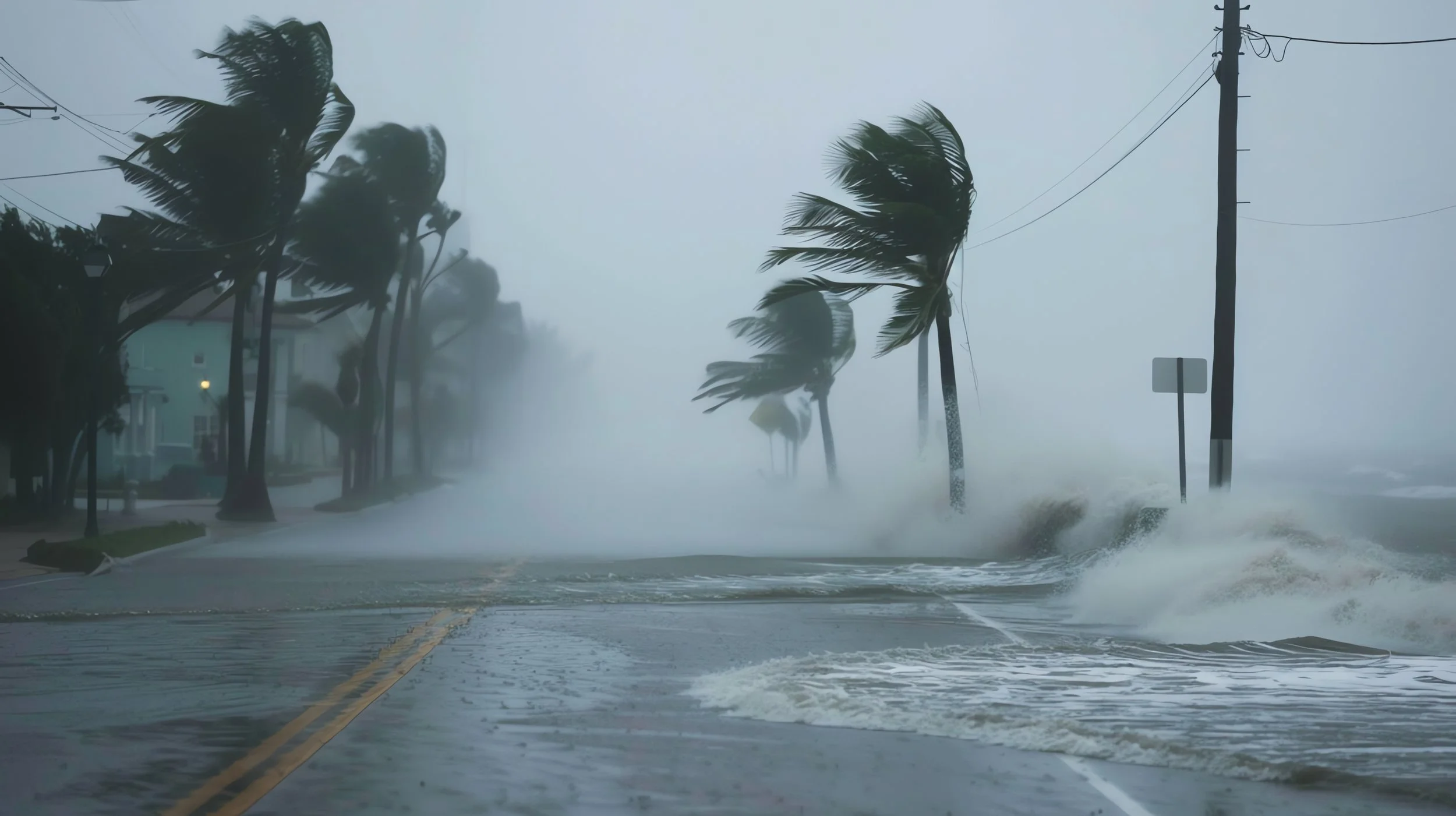
Hurricane season presents unique operational and clinical challenges for physician practices in St. Petersburg, Florida. While patient care remains the primary focus, severe weather can disrupt nearly every aspect of a medical practice—from staffing and scheduling to technology, supply chains, and financial performance. Proactive preparedness enables practices to maintain continuity of care, protect sensitive data, and recover more efficiently following a storm.
Maintaining Continuity of Patient Care
One of the most significant concerns during hurricane season is ensuring uninterrupted access to healthcare services. Patients with chronic diseases, post-operative needs, or ongoing treatment plans may experience delays if a practice closes unexpectedly.
Developing a comprehensive continuity plan helps practices:
Identify which services are essential during and immediately after a storm.
Establish protocols for patient communication before closures occur.
Coordinate referrals or coverage with nearby providers when necessary.
Expand telemedicine capabilities for patients unable to travel safely.
Physicians who communicate proactively with patients often reduce appointment disruptions and improve continuity of care.
Protecting Electronic Health Records and Practice Data
Electronic health records (EHRs) are critical to modern healthcare delivery. Hurricanes increase the risk of power outages, hardware damage, and internet disruptions that can temporarily limit access to patient information.
Practices should review their disaster recovery strategies by:
Verifying secure cloud-based or off-site data backups.
Testing EHR recovery procedures periodically.
Confirming cybersecurity safeguards remain active during emergency operations.
Maintaining backup internet connectivity when feasible.
A tested recovery plan minimizes downtime and supports regulatory compliance following an emergency.
Operational and Staffing Considerations
Staff members may face evacuation orders, property damage, transportation challenges, or family emergencies during hurricane events. These circumstances can significantly affect practice operations.
Prepared practices establish policies that address:
Emergency staffing responsibilities.
Cross-training employees to cover essential functions.
Remote administrative workflows where appropriate.
Clear communication channels for schedule updates and operational changes.
Flexibility in staffing plans allows physician practices to adapt more effectively as conditions evolve.
Supply Chain Management
Medical supplies may become difficult to obtain before and after major storms due to increased demand and transportation delays.
Practices should evaluate inventory levels for:
Prescription medications commonly administered in-office.
Vaccines requiring temperature-controlled storage.
Personal protective equipment (PPE).
Medical consumables and emergency supplies.
Fuel for generators, when applicable.
Routine inventory assessments before hurricane season help reduce the risk of shortages during prolonged recovery periods.
Protecting Medical Equipment and Facilities
Medical equipment represents a substantial investment and may be vulnerable to flooding, wind damage, or prolonged power interruptions.
Facility preparedness measures may include:
Relocating critical equipment away from flood-prone areas.
Installing surge protection for sensitive electronics.
Testing emergency generators and backup power systems.
Reviewing HVAC and refrigeration contingency plans for temperature-sensitive medications.
Preventive maintenance can reduce repair costs and accelerate reopening after a storm.
Financial and Revenue Cycle Implications
Weather-related closures often result in cancelled appointments, delayed billing, and temporary reductions in revenue. Extended interruptions may affect cash flow, particularly for smaller independent practices.
Financial preparedness strategies include:
Maintaining emergency operating reserves.
Reviewing business interruption insurance coverage.
Establishing remote billing and revenue cycle capabilities.
Developing appointment recovery plans once operations resume.
Practices that prepare financially are generally better positioned to manage temporary disruptions without compromising patient care.
Regulatory and Compliance Considerations
Disaster preparedness also intersects with regulatory responsibilities. Physician practices should periodically review emergency policies related to:
HIPAA-compliant patient communication during emergencies.
Secure handling of protected health information (PHI).
Documentation procedures when systems become temporarily unavailable.
Emergency reporting requirements applicable to their specialty or facility.
Maintaining documented emergency procedures supports both operational resilience and regulatory compliance.
Strengthening Community Healthcare Resilience
Physician practices play an important role in local disaster response. By coordinating with hospitals, pharmacies, emergency management agencies, and community organizations, practices can contribute to broader healthcare continuity throughout St. Petersburg.
Collaboration before hurricane season enables providers to:
Share referral resources.
Coordinate patient transfers when necessary.
Support vulnerable patient populations.
Improve regional response efficiency during widespread disruptions.
Preparing Before the Storm Arrives
The most effective hurricane preparedness efforts begin well before a tropical system develops. Annual reviews of emergency response plans, staff training exercises, technology assessments, and patient communication strategies help ensure that practices are ready to respond quickly when severe weather threatens.
For physician practices in St. Petersburg, hurricane preparedness is more than facility protection—it is a core component of clinical risk management, operational resilience, and high-quality patient care. By investing in comprehensive preparedness planning, practices can minimize disruptions, protect critical healthcare infrastructure, and continue serving patients when they need medical care most.
